

Description
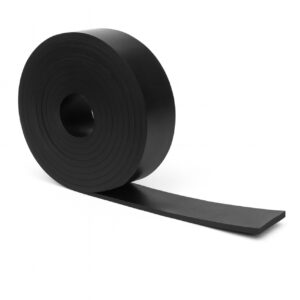
EPDM Rubber Strips – Solid Black Weather & UV Resistant Rubber
Our solid EPDM rubber strips are designed for demanding outdoor and weather-exposed applications where long-term durability is essential. Manufactured from high-quality commercial-grade EPDM (ethylene propylene diene monomer), this material provides exceptional resistance to UV radiation, ozone, rain and temperature extremes.
EPDM rubber strips are widely used in sealing, glazing, expansion joints, roofing interfaces and industrial gasketing where environmental exposure is a key factor.
Unlike neoprene, EPDM offers superior resistance to prolonged sunlight and weathering, making it a preferred choice for external construction and outdoor sealing projects.
Key Benefits
✔ Excellent UV & weather resistance
✔ Highly resistant to ozone and ageing
✔ Flexible and compressible
✔ Suitable for indoor and outdoor use
✔ Good resistance to water and steam
✔ Easy to cut and fabricate
Typical Applications
-
Door and window sealing strips
-
Glazing packers and spacers
-
Roofing and façade sealing
-
Expansion joint filler
-
Equipment vibration isolation
-
Protective edging and cushioning
-
Outdoor gasket fabrication
Why Choose EPDM Rubber Strips?
If your application is exposed to constant weather, sunlight or temperature cycling, EPDM rubber strip provides reliable long-term sealing performance. It maintains flexibility over time and resists cracking, making it ideal for external environments where other rubber types may degrade faster.
For applications involving oil or fuel exposure, neoprene rubber strips may be more suitable.
⭐Technical Specification
Material: EPDM
Hardness: 60–70 Shore A
Temperature Range: -30°C to +100°C
Tensile Strength: 7-12 MPa
Density: 1.3-1.45 kg/m³
Water Resistance: Excellent
Oil Resistance: Limited
Ozone Resistance: Excellent
Cut to Size EPDM Rubber Strip Supply
We supply EPDM rubber strips in standard lengths, with multiple width and thickness combinations available. For larger projects or repeat industrial requirements, bulk quantities can be supplied on request.
EPDM strip material can be easily cut to size using a sharp utility knife, making it ideal for custom gasket fabrication, machine pads, edge protection and sealing applications.
If you require specific dimensions or larger volume orders, contact our team for technical guidance and availability.
EPDM vs Neoprene Rubber Strips – Which Should You Choose?
Neoprene rubber strips are typically selected where moderate oil resistance and strong mechanical durability are required. They perform well in environments exposed to water, light oils, and general industrial conditions, making them suitable for machinery, automotive and fabrication applications.
EPDM rubber strips, by comparison, offer superior resistance to UV exposure, ozone and long-term weathering. They are specifically suited to outdoor applications where prolonged sunlight and environmental exposure are key considerations.
If your application involves light oil contact, vibration damping or general industrial sealing, neoprene is often the preferred choice.
if you’re looking for rubber strip rolls, neoprene gasket material, neoprene sealing tape, or flexible rubber strips for outdoor use, our neoprene range offers the perfect combination of durability and adaptability. These strips are suitable for professionals and DIY users needing reliable, long-lasting material for sealing, cushioning or vibration control.
FAQ – EPDM Rubber Sheet (Solid EPDM Rubber)
What is EPDM rubber sheet used for?
EPDM rubber sheet is commonly used for sealing, gasketing, waterproofing and general industrial applications. It is widely used in construction, automotive, marine, roofing and engineering where a durable and weather-resistant rubber material is required.
Is EPDM rubber waterproof?
Yes, EPDM rubber has excellent resistance to water and moisture, which makes it suitable for waterproof seals, gaskets, roofing applications and outdoor use. It is often chosen where long-term exposure to rain or damp conditions is expected.
Is EPDM rubber suitable for outdoor use?
Yes, EPDM is one of the best rubber materials for outdoor use because it has very good resistance to UV, ozone and weathering. It remains flexible over time and is commonly used for external seals, roofing, pond lining, and construction work.
What thickness EPDM rubber sheet should I use?
The correct thickness depends on the application.
Thin sheets (1mm–3mm) are typically used for gaskets and sealing strips, while thicker sheets (4mm–12mm) are more suitable for packing, vibration pads, protection strips and heavy-duty sealing.
Users should test the material to ensure it is suitable for their specific application.
Can EPDM rubber be used for gaskets?
Yes, EPDM rubber is commonly used as gasket material because it provides good flexibility, compression and resistance to water and weather. It is often used for flange gaskets, sealing strips and general purpose sealing.
Is EPDM better than nitrile or neoprene?
EPDM is best for water, weather and outdoor environments.
Nitrile is better for oil and fuel resistance, while neoprene offers good all-round performance.
The correct material depends on the operating conditions, so testing is recommended before use.
Can EPDM rubber sheet be cut easily?
Yes, EPDM rubber sheet can normally be cut using a sharp knife, scissors or gasket cutter. This makes it suitable for making custom gaskets, strips, pads and seals for maintenance or engineering work.
What size are the sheets supplied in?
These EPDM rubber sheets are supplied in 1 metre x 1 metre sizes and are available in thicknesses from 1mm to 12mm.
Other sizes, rolls or custom cut parts may be available on request.
Can EPDM rubber be used for vibration pads or packing?
Yes, thicker EPDM sheets are often used for vibration damping, packing pieces and protective pads because the material has good flexibility and durability. Suitability should be checked depending on load and operating conditions.
Is EPDM resistant to oil and fuel?
EPDM has good resistance to water, weather and ozone, but it is not normally recommended for use with oil, petrol or fuel. For oil-resistant applications, nitrile rubber may be more suitable.
Can EPDM rubber be used in automotive or marine applications?
Yes, EPDM is commonly used for automotive seals, marine sealing, hatch seals, weather strips and general waterproofing. Performance will depend on the specific conditions, so testing is advised for critical applications.
Do you supply EPDM rubber in other sizes or with adhesive backing?
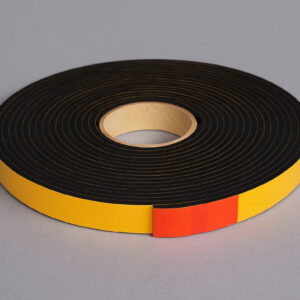
Yes, EPDM rubber can often be supplied in different sizes, strips, rolls or with self-adhesive backing.
Please contact us if you need material cut to size or supplied to specification.
Rubber Sheet Buying Guide: EPDM vs SBR vs Neoprene vs Nitrile Explained